Xb 70 Plane - The North American Aviation XB-70 Valkyrie is a prototype version of the B-70 supersonic strategic bomber intended for the Air Force Strategic Air Command. Developed by North American Aviation (NAA) in the late 1950s, the six-engine Valkyrie could fly thousands of miles at Mach 3+ at 70,000 feet (21,000 m).
At these speeds, the B-70 was considered nearly invulnerable to interceptors, the only effective bomber weapon at the time. The bomb flies briefly over a specific radar station, flying out of range before the controller can position the fighter in a suitable position for interception. Its high speed made the aircraft difficult to detect on radar displays, and its high maneuverability and speed were unmatched by modern Soviet fighters or fighters.
Xb 70 Plane
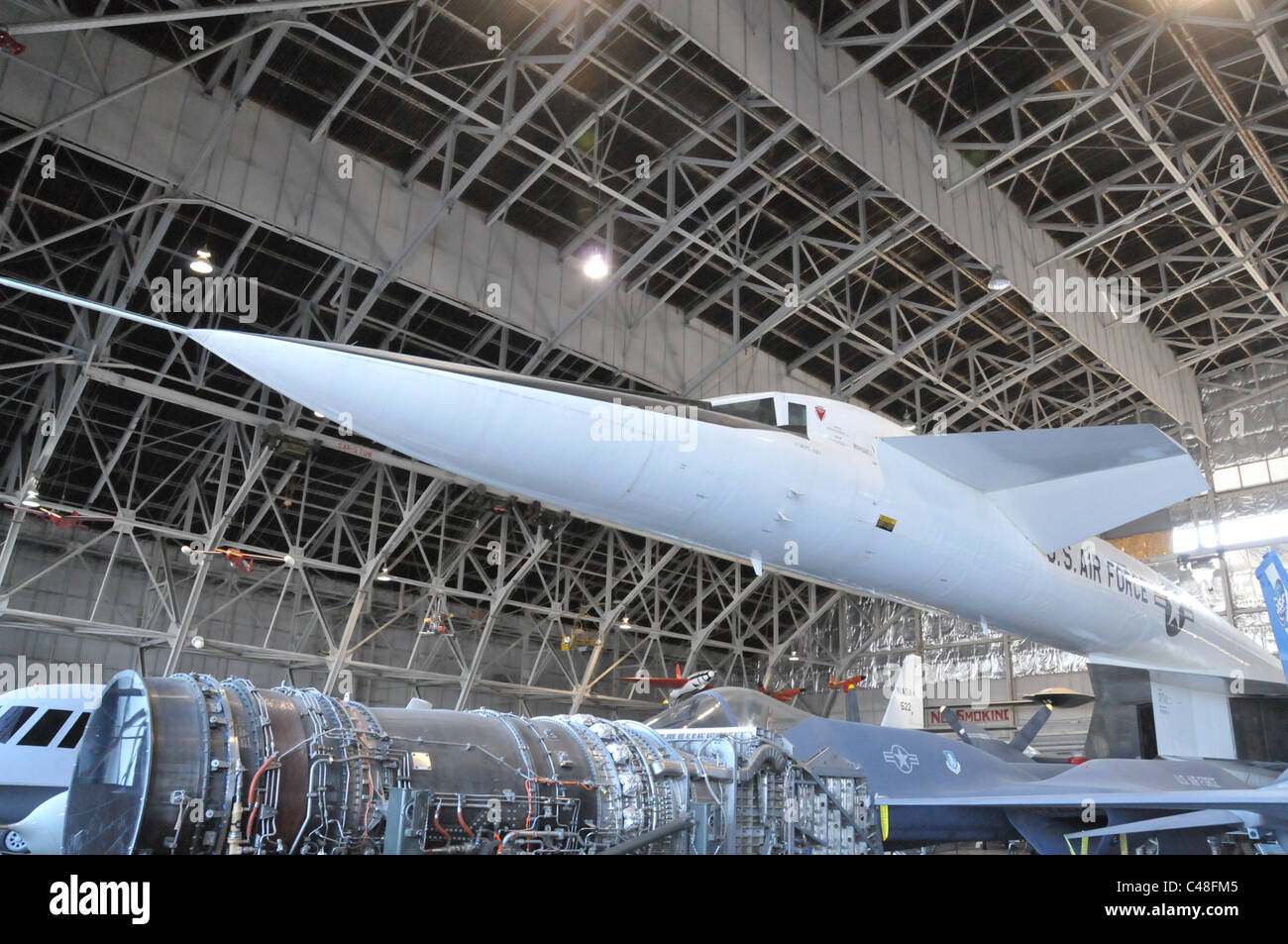
The introduction of the first Soviet missile into space in the late 1950s raised questions about the B-70's inadequacy. In response, the United States Air Force (USAF) began carrying out its mission, where the range of missile radar is limited by terrain. In this low-penetration role, the B-70 offered slightly more performance than the B-52 it was intended to replace, while being more efficient at shorter ranges. Other missions were proposed, but the scope was limited. With the advent of intercontinental ballistic missiles (ICBMs) in the late 1950s, bombers became obsolete.
North American Aviation Xb 70 Valkyrie Pdf Ebook + Aircraft Flight Manuals
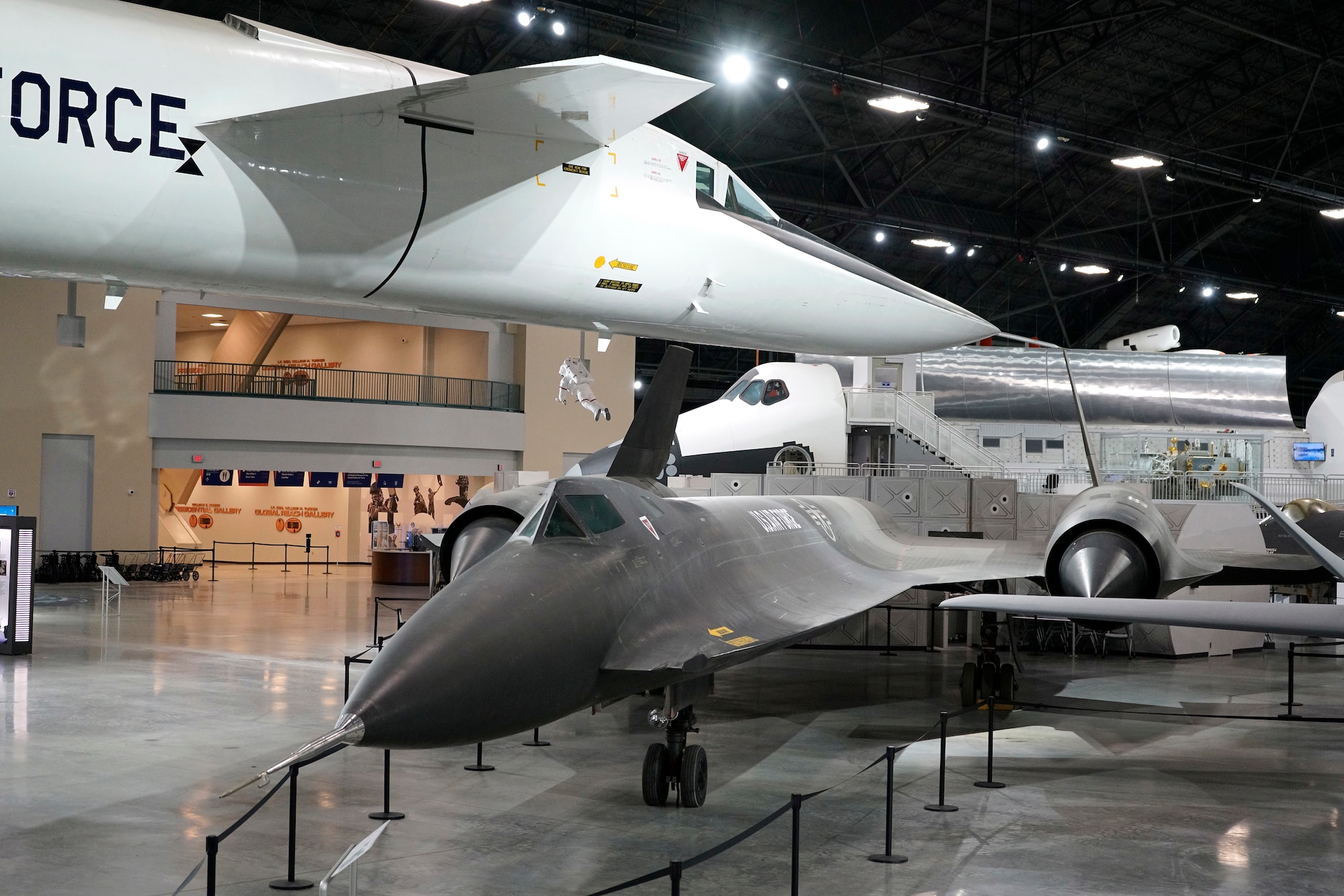
The USAF eventually abandoned the struggle to produce it, and the B-70 program was canceled in 1961. A research program was assigned to the Developmt to study the effects of sustained high-speed flight. Accordingly, two prototype aircraft, designated XB-70A, were built; These aircraft were used in supersonic test flights from 1964-69. In 1966, a prototype crashed after colliding with a small plane in close flight; The remaining Valkyrie bomber is at the National Museum of the United States Air Force near Dayton, Ohio.
As a branch of the Boeing MX-2145 glider bomber project, Boeing collaborated with the RAND Corporation in January 1954 to study the type of bomber aircraft needed to launch various modern nuclear weapons. in progress. Nuclear weapons weighed several tons at the time, and the need to transport enough fuel to transport this cargo from the continental United States to the Soviet Union required a large bomb. They also concluded that after the bombs were dropped, the plane would need a high speed to get out of the critical detonation range.
The airline industry has long considered this issue. Since the mid-1940s, there has been interest in using nuclear aircraft as bombs.
In a conventional jet engine, thrust is provided by heating air with jet fuel and accelerating it through a nozzle. In a nuclear power plant, heat is provided by a reactor that is used for months instead of hours. Most designs also contained a small amount of fuel for use during the more aggressive parts of flight, such as take-off and high-speed jumps.
North American Xb 70 Valkyrie Hd Wallpaper
Another possibility explored at the time was the use of "zip fuels" rich in boron, which improve the energy efficiency of jet fuel by 40 percent,
The United States Air Force (USAF) closely followed these developments and in 1955 issued General Operational Requirements No. 38 for the new bomber, combining the payload and intercontinental range of the B-52 with the Mach 2 top speed of the Convair B-58. The Strong Man.
Both nuclear and convection models were considered. The nuclear bomb was designed as the "Weapon System 125A" and followed up with the version of the "Weapon System 110A".
The Boeing design was almost identical, differing mainly in having a single vertical stabilizer and two gins in pods on the outer edge of the inner wing section.
Xb 70 Valkyrie: Watch The World's Last Xb 70 Leave Its Hangar
The USAF Aerospace Research and Development Command (ARDC) requirements for the WS-110A called for a chemical fuel bomb with a speed of Mach 0.9 and a "capable" range of 1,000 miles. nautical (1,200 mi; 1,900 km) trans and objective. exit. Requirements also included a payload of 50,000 pounds (23,000 kg) and a combat radius of 4,000 nautical miles (4,600 mi; 7,400 km).
The Air Force developed a similar requirement for the WS-110L intercontinental surveillance system in 1955, but it was later canceled in 1958 in favor of better alternatives.
Boeing and North American Aviation submitted bids and were awarded the contract for Phase 1 development on November 8, 1955.
Zip oil should be used in air conditioning to improve the level of 10 to 15 percent than normal oil.
Otd In 1969, The Iconic Xb 70 Valkyrie Mach 3 Super Bomber Made Its Last Flight
Both had large fuel tanks on the wingtips that could be released when the fuel ran out before supersonic flight to the target. The tanks also included the outer portion of the wing, which was also removed to produce a smaller wing suitable for supersonic speeds.
Both became trapezoidal wings when released, which were the highest performance designs known at the time. They also featured see-through cockpits to maintain the best visibility factor despite the impact on visibility.
Both designs had a takeoff weight of about 750,000 pounds (340,000 kg) with heavy fuel. The Air Force evaluated the projects and in September 1956 deemed them too large and complex for the job.

In October 1956, the USAF began construction of the first phase and ordered two contractors to continue the design study.
Where Are They Now: Xb 70 #1
While the early proposals were considered, progress in supersonic flight progressed rapidly. The narrow delta has established itself as the preferred supersonic flight plan, replacing earlier designs such as the swept wing and trapezoidal layout used in designs such as the Lockheed F-104 Starfighter and the earlier WS-110 concept. gins have also been developed that can handle high temperatures, making it possible to maintain supersonic speeds.
This work led to an interesting discovery: when the engine was specially optimized for high speed, it probably burned twice as much fuel at that speed as at subsonic speed. However, the plane flew four times faster. Therefore, the most economical travel speed in terms of fuel consumption per mile is the maximum speed. It was very unexpected and meant that the meaning of the dash was meaningless; if the plane could reach Mach 3 it could do the mission on wheels at that speed. Questions were raised as to whether such an idea was technically feasible, but by March 1957, engine development and wind tunnel testing had progressed sufficiently to suggest it.
The WS-110 is designed to fly at Mach 3 on wheel missions. The zip fuel is reserved for the gin booster to increase the distance.
Both North American and Boeing returned new designs with a long fuselage and a large delta wing. First of all, they differed in the arrangement of the manger; The NAA design placed the six propellers in a semicircular tube under the rear fuselage, while the Boeing design used separate propellers in pods that sat individually on pylons under the wings,
Vintage Supersonic Xb 70 Bomber Arrives To Anchor New Air Force Museum Wing In Dayton
North America searched the literature for additional benefits. This led them to a scathing report by two NACA wind tunnel experts who wrote a report in 1956 entitled "The Stabilization of Airplanes Developing High Lift and Drag at High Speeds" high speed."
The idea, now known as compression lift, is to use the shock waves generated by the nose or other sharp points of the aircraft as a source of high-pressure air.
By carefully positioning the wing relative to the damper, high pressure can be obtained on the underside of the wing and create additional lift. To take advantage of this effect, they redesigned the underside of the plane to include a large triangular area in front of the nose, and better place the loudspeakers in relation to the wings. Six genies were relocated, three in two different channels, under the hull.
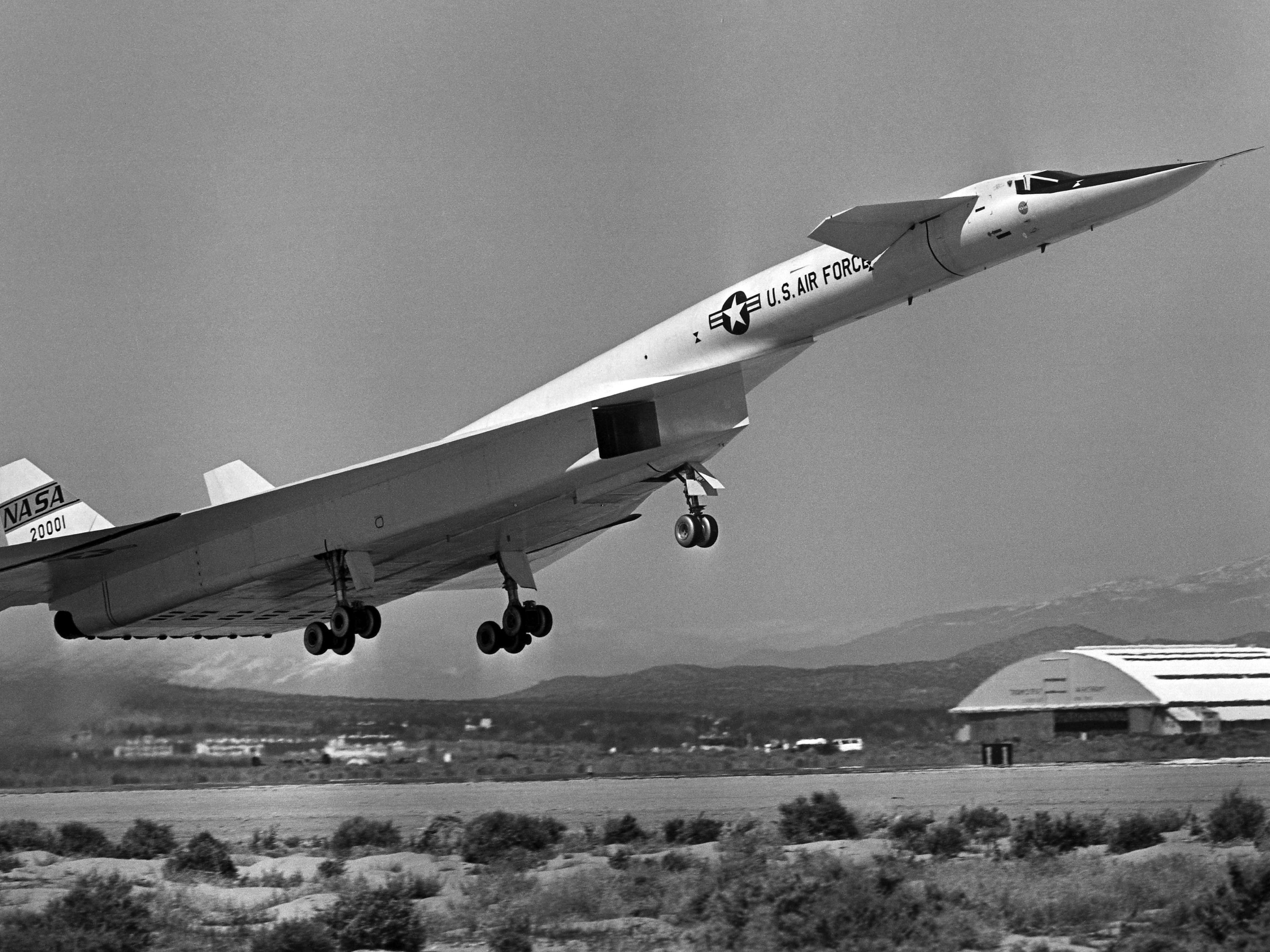
North American improved on the basic concept by adding a series of slats down the wing tip that were lowered at high speed. This helped to trap the water waves under the wing between the down-wing tips. The plane was also given more vertical surface area to maintain stability at high speeds.
Wallpaper North American Xb 70 Valkyrie, Fighter Aircraft, U.s. Air Force, Military #12247
The NAA solution had the added benefit of reducing the area of the rear wing when the panels were moved to the high-speed position. This helped to compensate for the displacement of the pressure drop to the rear or "medium lift position" as the speed increased. Under normal conditions, this caused a decrease in the bow down, which had to be replaced by rotating the control area, increasing the drag. As the wing tip descends, the lift area is reduced, moving the lift and reducing drag.
Heat build-up from skin friction during sustained supersonic flight must be considered. As the aircraft cruised at Mach 3, temperatures averaged 450°F (230°C), with extremes of up to 630°F (330°C) and up to 1,000°F (540 ° C) in the region. The NAA proposed building the structure from sandwich panels, with each panel consisting of two thin sheets of stainless steel against each other on the face of the honeycomb foil. Explosive titanium can be used for
Sig p365 tulster holster, sig p365 iwb holster, sig holsters p365, sig p365 sas holster, sig p365 xl holster, sig p365 hybrid holster, appendix holster sig p365, safariland holster sig p365, sig p365 belt holster, sig p365 holster, sig p365 purse holster, sig sauer p365 holster


0 Comments